
What You Need to Know About Foundation Waterproofing in New Haven, CT
Foundation waterproofing uses a mix of methods and materials to keep groundwater and surface runoff from entering or damaging a building’s foundation. Its job is simple: protect the structure, preserve indoor air quality, and maintain your home’s value. In this guide you’ll learn how to spot the earliest signs of foundation moisture, compare exterior and interior waterproofing strategies, and pick durable materials and drainage systems suited to New Haven’s soils and weather. Many homeowners see recurring basement dampness or visible cracks without realizing how hydrostatic pressure, soil swelling, and poor drainage combine to cause leaks. This article lays out the most effective exterior approaches, interior systems that manage intruding water, drainage options like French drains and sump pumps, material trade-offs (liquid vs. sheet membranes), and realistic Connecticut cost ranges so you can decide between a DIY fix and calling a pro. Read on for inspection checklists, side-by-side method comparisons, maintenance tips, and clear signals that it’s time to call a contractor familiar with New Haven’s clay soils and freeze–thaw cycles.
Why Foundation Waterproofing Matters for New Haven Homes
New Haven’s mix of coastal storms, seasonal groundwater shifts, and freeze–thaw cycles raises hydrostatic pressure against foundation walls and increases the risk of moisture intrusion and structural wear. Proper waterproofing preserves the foundation’s strength, prevents mold that harms indoor air, and protects resale value by stopping repeated water damage. The solutions work by diverting surface runoff, managing subsurface water with drainage, and creating continuous barriers that block capillary movement through concrete. Knowing how these systems operate helps you prioritize fixes that treat the root cause—so you stop symptoms instead of chasing them.
Effective Waterproofing Solutions for Concrete Foundations
Designing and installing effective waterproofing for concrete foundations is essential to stop water entry and extend a structure’s service life. Different systems perform differently, so selecting the right method for site conditions and building needs is critical.
Waterproofing of concrete foundations, J De Brito, 2014
What Are the Common Signs of Foundation Water Damage?
Catching water damage early keeps repairs small and manageable. Watch for visual and smell clues that moisture is moving through foundation materials and joints. Routine checks for these items lower the risk of hidden deterioration and point you to the right next step.
- Hairline or stair‑step cracks in masonry that widen over time—these show movement and track water.
- Efflorescence (white mineral streaks) on walls—clear evidence moisture is migrating through concrete or block.
- Musty odors, peeling paint, or water stains on walls and floors—signs of persistent dampness or condensation.
- Pooled water, consistently wet perimeter floors, or bulging walls—indicators of higher hydrostatic pressure that may need immediate attention.
Use these observations as a basic inspection checklist to decide whether to monitor conditions or call a professional for a diagnosis.
How Does Connecticut’s Climate Affect Foundation Integrity?
Connecticut’s seasons—wet falls and springs, occasional coastal storms, and repeated freeze–thaw cycles—shift soil moisture and cause soils to expand and contract. When groundwater rises, hydrostatic pressure pushes water through joints, cracks, and pores in concrete; over several seasons those small defects can grow and let in more water.
Managing Hydrostatic Pressure and Uplift on Foundations
Structures face horizontal pressure and vertical uplift from hydrostatic forces. Understanding and managing these forces is key to preserving foundation integrity, especially for below‑grade spaces.
Relief of hydrostatic pressure to maximise the occupancy of underground spaces, 2016
Clay‑rich soils found in parts of New Haven swell when wet and shrink when dry, placing lateral pressure on basement walls that can drive cracking. The right response combines grading, gutter care, perimeter drainage, and appropriate membrane systems so those forces are reduced and moisture pathways are closed.
What Are the Most Effective Exterior Foundation Waterproofing Methods?
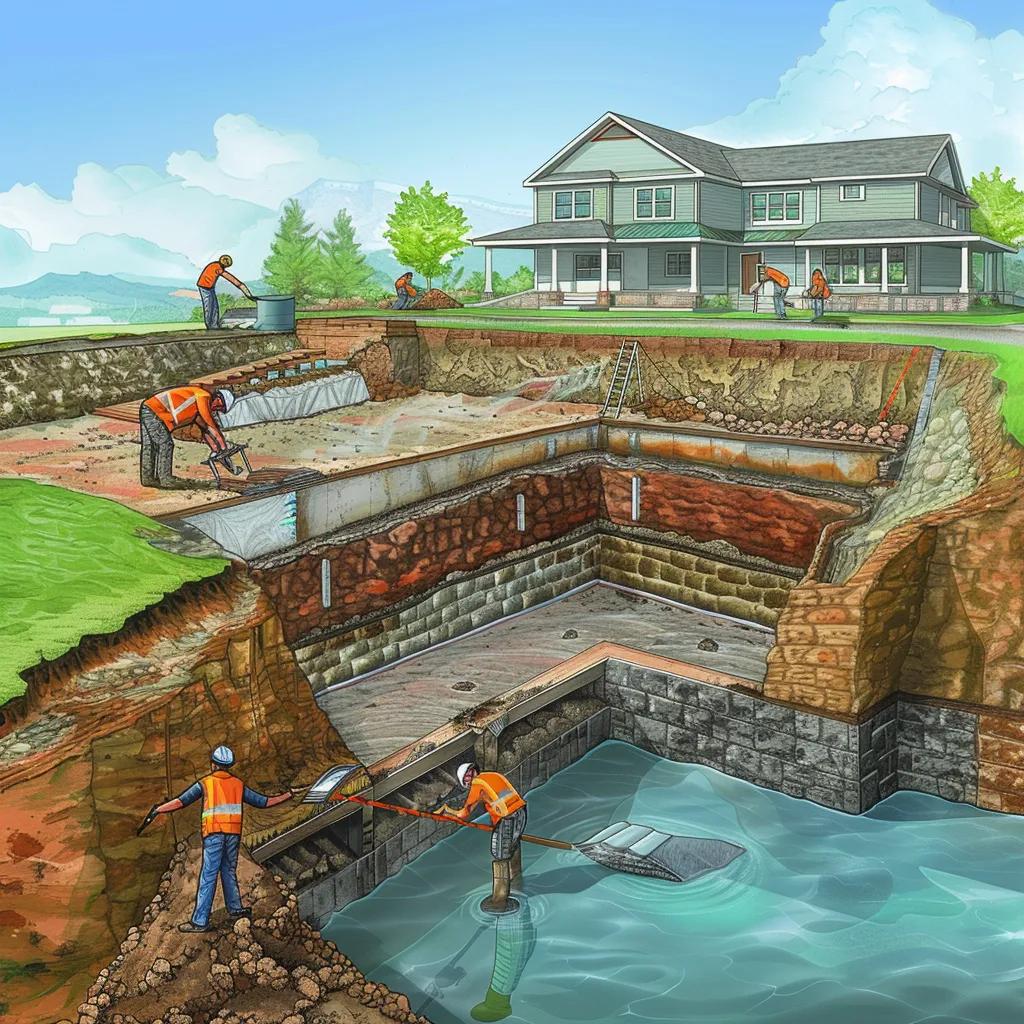
Exterior waterproofing aims to stop water before it ever touches the foundation wall by using excavation, continuous barriers, and subsurface drainage. This approach lowers hydrostatic pressure and protects below‑grade spaces. Typical exterior work includes carefully exposing the foundation, preparing surfaces, applying membranes or coatings, installing drain lines at the footing, and backfilling with attention to grading for positive runoff. When exterior access is practical, this route often offers the most durable protection because membranes and drainage work together to control both bulk water and capillary action.
The exterior process usually follows these steps:
- Excavate to footing level: Expose the foundation down to the footing so a full‑coverage barrier can be applied.
- Surface preparation: Clean, repair and prime concrete so membranes bond and penetrations are sealed.
- Apply membrane or coating: Install bituminous sheets or liquid‑applied membranes to form a continuous barrier.
- Install perimeter drainage: Fit a French drain or drain tile at the footing to carry water away.
- Backfill and grade away: Use clean backfill, compact properly, and slope the soil away from the foundation.
Exterior work restores proper soil contact and drainage, reduces hydrostatic pressure, and addresses the conditions that cause interior leaks. From here, homeowners can compare membrane types and specific site prep needs.
How Do Waterproof Membranes and Coatings Protect Foundations?
Membranes and coatings create continuous barriers that stop water and limit capillary movement through concrete and masonry. Sheet membranes (bituminous or polymer sheets) bring factory‑controlled thickness and are installed with overlaps and terminations. Liquid‑applied membranes cure in place and form a seamless layer that follows irregular surfaces. Long‑term performance depends on proper surface prep, correct detailing at penetrations, and protecting the membrane during backfill. Common trade‑offs: liquid products are easier to follow complex shapes; sheet systems often give thicker physical protection but need careful seam treatment.
Why Is Proper Excavation and Grading Critical for Exterior Waterproofing?
Correct excavation and grading let installers place continuous membranes at the right elevation, set drain tile at the footing, and create slopes that prevent surface water from pooling near the foundation. Excavation reveals hidden defects and gives access for underdrains; poor backfill or compaction can leave voids that collect water or cause settlement. Best practice is to slope the grade away from the foundation where possible and use appropriate backfill to maintain contact and system performance over time.
How Can Interior Basement Waterproofing Prevent Water Intrusion?
Interior waterproofing manages water that’s already entered or threatens to enter the basement by collecting it and routing it to a safe discharge point. It’s especially useful when exterior access is limited. Interior options include perimeter drain channels, interior drain tile tied to a sump pit, crack injections and sealants for active leaks, and crawlspace encapsulation or vapor barriers. While interior systems treat the symptom rather than the source, they reliably control moisture inside the building envelope when designed to work with pumps and drainage.
Interior systems channel infiltrating water into active removal components, so choosing the right sump pump and knowing when to repair cracks are essential for system design and ongoing maintenance. The next section explains pump selection and redundancy recommendations for storm events and power outages.
Common Causes of Water Infiltration into Basements
Basement water entry can come from many sources: surface runoff, failed or undersized sump pumps, clogged or missing drainage, and foundation defects. Identifying these causes is the first step in stopping basement dampness and protecting structural elements.
Water Infiltration into Basements, 2021
What Role Do Sump Pumps and Interior Drainage Systems Play?
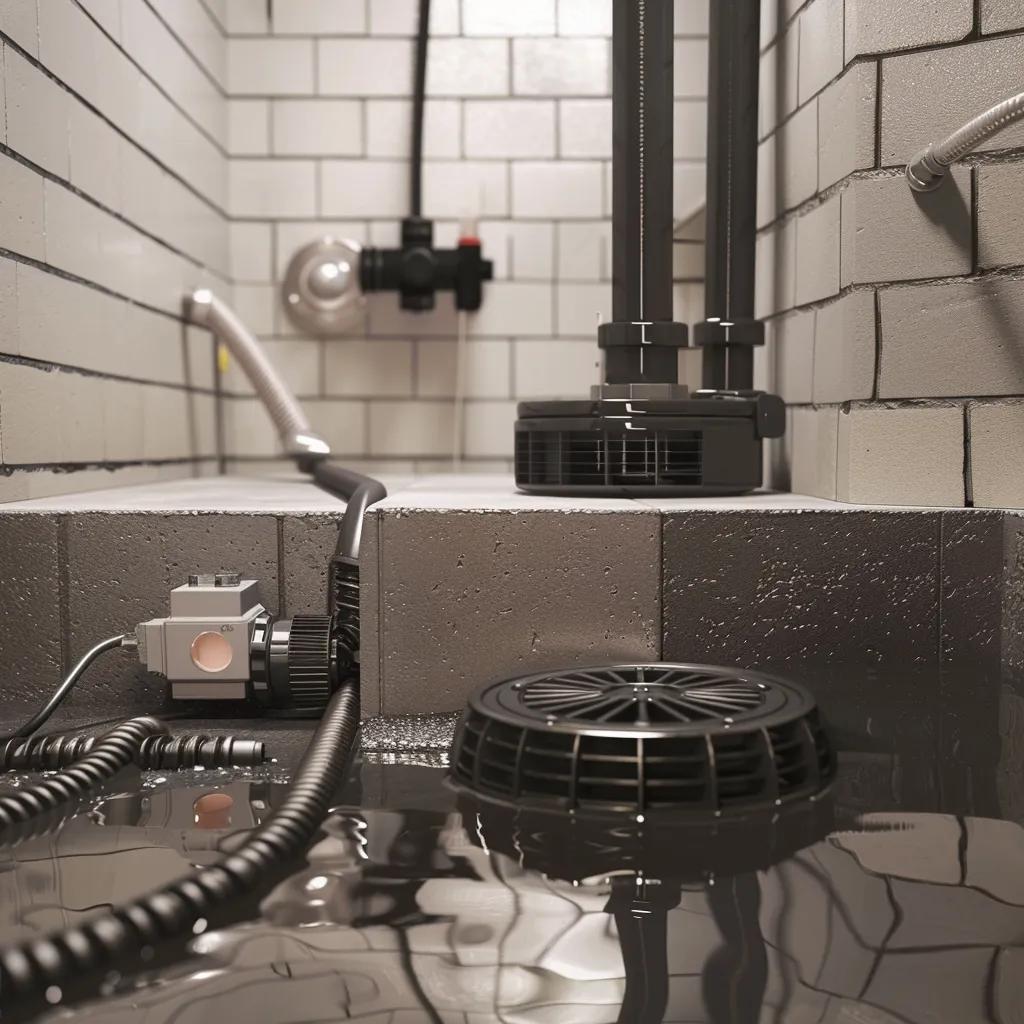
Interior drain systems and sump pumps work together: drain tile collects groundwater along the footing and channels it to a sump pit, while the sump pump ejects that water away from the house. Pumps come as submersible units (quieter, installed inside the pit) or pedestal types (motor above the pit for easier servicing). In storm‑prone areas, redundancy—battery backup or a secondary pump—is wise to prevent failure during power outages. Regular maintenance—testing float switches, clearing the pit, and inspecting discharge lines—keeps the system reliable.
When Should Basement Crack Repair and Sealants Be Used?
Crack repair and sealants make sense for non‑structural cracks or to stop active leaks as part of a larger system. Small, non‑moving cracks can be sealed with flexible caulks or cementitious patches; active leaks under pressure often need professional polyurethane injection or epoxy for structural bonding. Cracks showing displacement, stair‑step patterns, or ongoing movement usually signal structural issues that go beyond surface sealing and may require underpinning, reinforcement, or exterior excavation. A proper assessment separates cosmetic fixes from necessary structural repairs.
Which Drainage Systems Are Needed for Effective Foundation Waterproofing?
Effective waterproofing depends on drainage that either diverts water before it reaches the foundation or collects and removes it once it does. The right option depends on site access, local water table behavior, and the overall waterproofing approach. Common choices are exterior French drains to intercept subsurface flow, interior perimeter drain tile that collects water inside the footing line, and sump pump systems that actively discharge collected water. Surface drainage—gutters, downspouts, and grading—is the first line of defense because controlling runoff reduces the load on subsurface systems.
Below is a compact comparison of common drainage systems, their installation complexity, typical cost ranges, and ideal situations to guide selection.
This comparison shows how access and desired longevity affect system choice and leads into how French drains work and why they matter.
How Does a French Drain Installation Divert Water Away?
A French drain uses a perforated pipe set in an aggregate trench and wrapped in filter fabric to keep sediment out. The pipe collects subsurface water and routes it to a safe discharge or a sump. Placing the drain at footing elevation intercepts water where hydrostatic pressure builds, reducing load on foundation walls. Proper design ensures correct slope, pipe size, and an adequate outlet, and filter fabric helps extend performance by preventing clogging.
What Are the Advantages of Sump Pump Systems in Basement Waterproofing?
Sump pumps actively remove collected water, preventing standing water and reducing damage during heavy rainfall. They respond quickly, can tie into interior drains, and—when paired with battery or generator backup—remain functional during outages. Choosing the right pump capacity and performing annual maintenance (cleaning the pit, testing switches, checking discharge lines) are critical to reliability. With a proper backup plan, sump pumps greatly lower flood risk during storms.
If you want professional installation or a site inspection, Rite Foundation Waterproofing CT installs and services French drains, interior drain tile systems, and sump pumps—and we’ll recommend the right set up for your property. We provide experienced, local foundation waterproofing service tailored to New Haven conditions.
What Are the Key Materials and Technologies for Long-Lasting Foundation Protection?
Choosing the right materials determines how well a system resists water, handles substrate movement, and endures site stresses. Common families include liquid‑applied membranes, sheet membranes, bentonite clay systems, crystalline coatings, and cementitious products. Liquids create a monolithic barrier that conforms to shapes; sheets provide thicker physical protection but rely on seam integrity; bentonite swells to seal gaps; crystalline treatments react with concrete to block capillaries. In practice, installation quality—prep, penetration detailing, and backfill protection—often matters more than the material’s advertised lifespan.
The following table compares common materials by durability, cost range, best use cases, and maintenance needs to support material decisions.
This comparison highlights trade‑offs and supports picking hybrid systems that combine membranes with drainage and crystalline treatments for targeted results.
When specifying materials, consider how installers handle surface prep, whether the material tolerates freeze–thaw cycles, and how maintenance will be performed—because installation quality largely determines service life. For projects that need experience applying these systems to local soils and weather, Rite Foundation Waterproofing CT installs membranes, bentonite systems, and crystalline coatings as part of integrated solutions designed for Connecticut conditions.
How Much Does Professional Foundation Waterproofing Cost in Connecticut?
Costs in Connecticut vary with method, site access, and repair extent. Prices differ depending on whether you choose an interior drain‑and‑sump system, targeted crack injection, or full exterior excavation with membrane and drainage. Interior systems and sump installations are usually less expensive than full exterior excavation and perimeter drainage. Major cost drivers include chosen method, basement size and depth, structural repairs, mold remediation needs, and any permitting or landscaping restoration required.
Below is a practical breakdown of main cost drivers and example ranges to help homeowners set realistic budgets and compare quotes.
This table shows how scope drives price and why diagnosing the root cause reduces the chance of under‑budgeting and repeat work. It also frames the value of professional help versus DIY attempts.
What Factors Influence Foundation Waterproofing Pricing?
Pricing depends on the chosen approach (interior vs. exterior), basement size and accessibility, foundation condition (active leaks or structural movement), and specified materials. Exterior methods add costs for excavation, debris disposal, and landscape restoration, while interior systems add slab cutting and finish repairs. Local soils that require more extensive drainage, permit requirements, and remediation of secondary issues like mold or structural reinforcement also affect the final price. Small changes in scope—such as adding underpinning or landscape repair—can significantly change the quote.
Why Choose Professional Services Over DIY Waterproofing?
Professionals diagnose root causes—hydrostatic pressure, soil forces, and capillary movement—and deliver multi‑component solutions rather than temporary fixes. Contractors bring the right equipment, drainage design expertise, and knowledge of codes and permits, lowering the chance of repeat problems or hidden costs. They also coordinate complementary work like grading, gutter upgrades, and landscape restoration. When you compare short‑term savings from DIY to the potential recurring costs of patching leaks or restoring finished basements, professional installation usually provides better long‑term value.
- Key reasons to hire professionals:
Accurate diagnosis: We identify causes, not just symptoms.
Integrated solutions: Systems combine membranes, drainage, and pumps for reliable performance.
Warranty and service: Professional work often includes follow‑up and maintenance options.
These points show why a professional evaluation is recommended when you see visible signs or recurring leaks that suggest systemic issues.
- Summary of cost‑assessment steps:
Inspect and document visible signs and interior conditions.
Request detailed proposals that separate materials, labor, and restoration costs.
Compare life‑cycle costs rather than choosing the lowest initial bid to avoid repeat expenses.
End of guide.
Frequently Asked Questions
What are the long-term benefits of foundation waterproofing?
Long‑term benefits include stronger structural integrity, better indoor air quality, and preserved property value. By stopping water before it causes damage, you avoid costly mold remediation and structural repairs. A dry foundation also helps stabilize indoor humidity and can reduce energy costs. Mostly, waterproofing gives you peace of mind that your home is protected against moisture‑related problems.
How often should I inspect my foundation for water damage?
Inspect your foundation at least twice a year—spring and fall are good times—or after heavy rain or rapid snowmelt. Look for new cracks, efflorescence, peeling paint, and musty odors. Early detection lets you address issues before they become expensive repairs.
Can landscaping affect foundation waterproofing?
Yes. Proper grading and drainage around the house significantly reduce the chance of water pooling near the foundation. Planting and tree placement should avoid concentrating water or allowing roots to interfere with drainage systems. Keeping gutters and downspouts clear and directing discharge away from the foundation is a low‑cost step with big benefits.
What should I do if I notice cracks in my foundation?
First, monitor the crack for changes in width or length. Small hairline cracks are often cosmetic; larger cracks, stair‑step patterns, or signs of movement can indicate structural issues. If you see water intrusion or progressive movement, contact a professional for a full evaluation and recommended repairs.
Are there DIY methods for foundation waterproofing?
There are DIY options, such as applying sealants or installing interior drainage in simple cases. However, DIY work can miss underlying causes like hydrostatic pressure or soil movement. For persistent or complex problems, a professional assessment and multi‑component solution will usually be more effective and cost‑efficient over time.
What is the role of drainage systems in foundation waterproofing?
Drainage systems manage where water goes so it doesn’t build up against foundation walls. French drains, interior drain tile, and sump pumps remove or divert groundwater, reducing hydrostatic pressure and the chance of leaks. Well‑designed drainage is essential to make any waterproofing measure perform reliably.
How can I choose the right waterproofing materials for my foundation?
Choose materials based on foundation type, local soil, and climate. Liquid‑applied membranes fit irregular surfaces; sheet membranes give a thicker physical barrier; bentonite offers self‑sealing properties for subsurface work. A professional can evaluate your site and recommend materials that balance performance, durability, and budget for your situation.
Conclusion
Waterproofing your foundation is one of the most effective ways to protect your home from moisture damage and preserve its structural health. By recognizing early warning signs, choosing the right methods for your site, and combining drainage with appropriate materials, you can prevent recurring problems and avoid costly repairs. If you’re in New Haven and want a local, experienced team to evaluate options and provide a clear plan, contact Rite Foundation Waterproofing CT for a free estimate and tailored recommendations.