
Concrete Foundations: The Good, The Bad, and What New Haven Homeowners Need to Know
Concrete foundations are the backbone of over half of today’s homes, offering a solid base but also presenting challenges, especially in climates like New Haven, CT, with its freeze-thaw cycles. Understanding the upsides and downsides of concrete foundations empowers you to make smart choices about installation, upkeep, and repairs. We’ll cover the common types of foundations, explore their key benefits and drawbacks, look at how local soil and weather impact them, point out the warning signs of damage, and discuss waterproofing and repair solutions specifically for New Haven properties. Our team at Rite Foundation Waterproofing CT is here to help you navigate these complexities.
Understanding Concrete Foundations and Their Common Types
A concrete foundation is essentially the structural base of your home, made from a mix of cement, sand, gravel, and water. It’s designed to carry the building’s weight, resist ground movement, and act as a barrier against moisture. Because concrete hardens into a solid, unmoving form, it provides consistent support across the entire footprint of a building, like a garage slab that prevents uneven settling.
- Slab-on-Grade: This is a single pour of concrete directly onto prepared soil. It cures into one solid piece, making it a cost-effective and fast construction option.
- Monolithic Slab: Here, the footing and the slab are poured at the same time, creating an integrated unit. This helps reduce cracking at joints and speeds up the building process.
- Basement Foundation: This involves pouring walls to create usable space below the main level of the home. While it offers more space, it comes with higher material and labor costs.
Each of these foundation styles is chosen based on the soil’s load-bearing capacity and what the homeowner needs, setting the stage for a closer look at their pros and cons.
What Makes a Concrete Slab Foundation
A concrete slab foundation is a level concrete pad poured over prepared ground. It often includes a vapor barrier and steel reinforcement to distribute the building’s weight evenly. This design requires less digging and often skips separate footings for lighter structures, saving on labor and materials. Homeowners get a smooth, seamless floor, but lose the ability to access anything below the slab.
Slab Foundations Compared to Crawl Space and Basement Foundations
Here’s a quick comparison of slab, crawl space, and basement foundations, looking at cost, how long they take to build, and accessibility.
As you can see, slab foundations generally mean lower initial costs and faster construction, but they do limit access for utilities and storage space.
Local Soil and Climate Factors Impacting Concrete Foundations in New Haven, CT
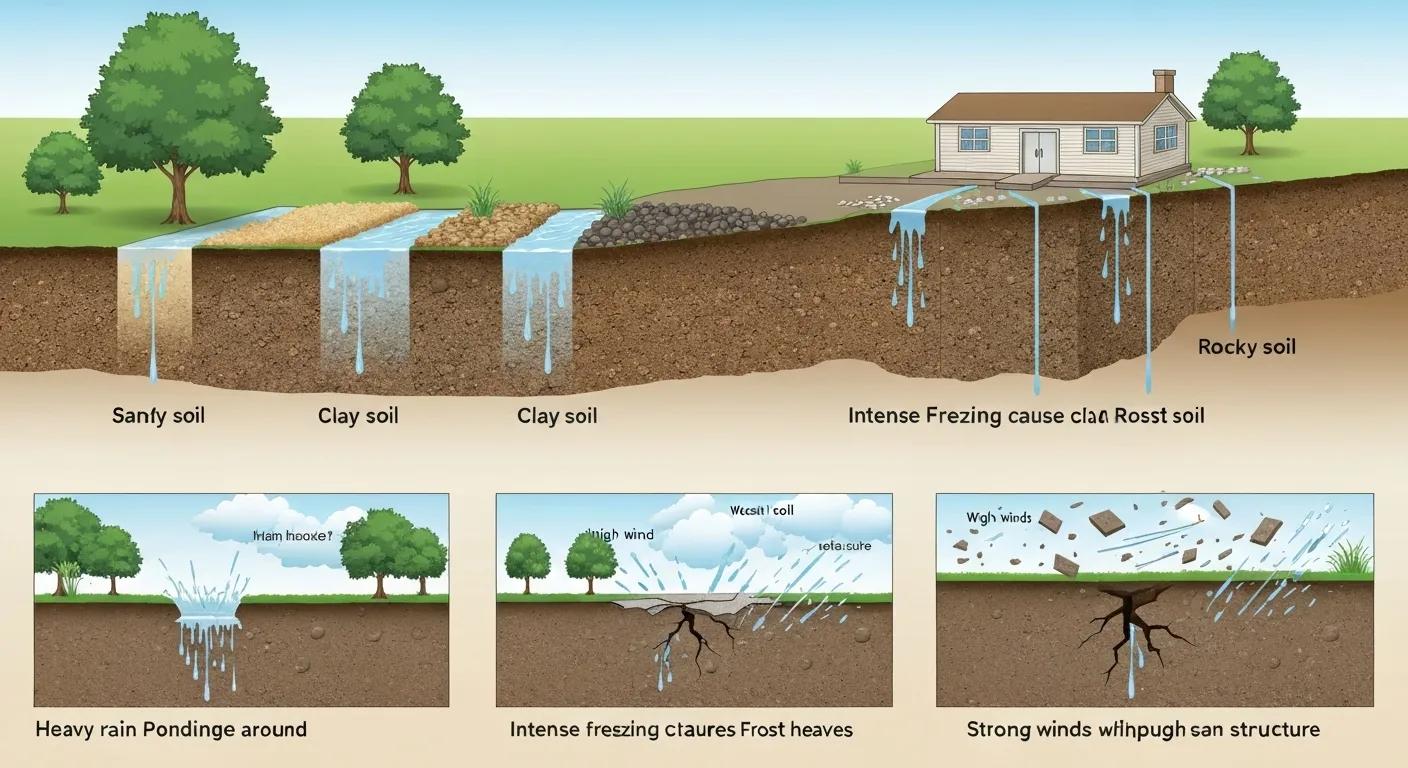
If you’re a homeowner in New Haven, you’ll want to consider these regional factors that can affect how your concrete foundation performs:
- Frost Heave: When water in the soil freezes and expands, then thaws and contracts, it can put stress on foundations, leading to cracks.
- Clay Soil: This type of soil expands significantly when wet and shrinks when dry, pushing against foundation walls and slabs.
- High Water Table: If the groundwater level is often high, it can create pressure against the foundation and lead to moisture seeping in.
- Pyrrhotite Risk: A mineral found in some local aggregates, pyrrhotite can cause internal damage and deterioration in concrete over time.
How the Freeze-Thaw Cycle Affects Your Concrete
The freeze-thaw cycle, especially common in colder climates, really impacts concrete. When water gets into the concrete’s pores, freezes, and expands, it puts pressure on the material, causing cracks and damage. How porous the concrete is and the quality of the materials used play a big role in how severe this damage can get.
Main Benefits of Concrete Foundations
Concrete foundations offer savings, robust structural support, and lasting performance, making them a smart choice for many building projects in New Haven. Their ability to distribute weight evenly and resist common issues like rot and pests provides a solid base for any home.
Concrete Foundations Compared in Cost to Other Types
Typically, concrete slab foundations are about 10–20% less expensive per square foot than full basements because they require less extensive excavation and framing. They also involve fewer construction steps and less labor, and materials like rebar and gravel are generally more affordable than building full foundation walls. Local contractors can often pour a slab in just one day, speeding up the overall project timeline.
Why Concrete Foundations Are Known for Being Durable and Strong
Concrete foundations get their compressive strength from the chemical process of hydration, where cement particles bond together, creating a solid mass that can handle heavy loads and ground pressure. Adding steel reinforcing bars (rebar) significantly boosts its tensile strength, helping to minimize crack widths under stress. This combination ensures decades of structural integrity, much like the century-old stone foundations still standing strong today.
How Concrete Slabs Provide Protection Against Pests and Improve Energy Efficiency
Concrete slabs create a sealed barrier that keeps out termites, rodents, and other insects that often find their way into crawl spaces. When paired with rigid foam insulation and sealants around the perimeter, slabs help reduce thermal bridging and minimize heat loss through the floor. This improved energy efficiency helps maintain comfortable indoor temperatures and can lower heating bills during New Haven’s cold winters.
Why Concrete Foundations Are Quick to Install and Easy to Maintain
Pouring a slab foundation typically involves a single concrete delivery and finishing process, unlike the multiple stages needed for basements or crawl spaces. Once cured, slabs require very little upkeep—no worries about wood rot, replacing joists, or maintaining access hatches. Annual checks for cracks and routine inspections of the perimeter drainage system are usually all that’s needed to keep the slab in good shape.
Common Downsides and Issues with Concrete Foundations
Even though they’re popular, concrete foundations can develop cracks, let in moisture, and make accessing under-floor utilities difficult, which can be a headache for homeowners. Knowing these potential problems allows for proactive prevention and timely fixes before small issues become major ones.
Why Concrete Foundations Are Prone to Cracking
The expansion and contraction from freeze-thaw cycles create internal pressures that can lead to hairline cracks. Soil settling underneath the slab can also create stress points, resulting in wider fissures. Furthermore, if local aggregates contain pyrrhotite, it can trigger an internal sulfate attack, causing the concrete itself to crack and crumble over time.
How Moisture Problems Affect Concrete Slab Foundations
If vapor barriers are missing or damaged, concrete slabs can absorb moisture from the ground through capillary action. During heavy rain, hydrostatic pressure can force water through tiny cracks, leading to mold growth, white powdery deposits (efflorescence), and damage to floor coverings.
Challenges with Plumbing and Utility Access in Slab Foundations
Plumbing pipes and electrical conduits are embedded directly within the concrete pour of slab foundations. This makes repairs difficult if leaks occur. Digging through or drilling into cured concrete is labor-intensive and risky, and extensive utility replacements might even require removing the entire slab.
Thermal Discomfort and Limited Storage with Slab Foundations
Slabs that are directly on the ground can feel cold in the winter as they conduct the earth’s chill, leading to chilly floors and uneven indoor temperatures if not properly insulated. Slab foundations also eliminate the space found in crawl spaces, meaning no room for under-house storage or easy access to mechanical systems.
Impact of Local Soil Conditions and the Pyrrhotite Mineral on Foundation Integrity
In New Haven, deep clay soils can expand when wet and shrink when dry, putting cyclical stress on the edges of slabs. When combined with the expansion caused by pyrrhotite oxidizing within the concrete, these soil conditions can speed up cracking, uneven settling, and surface flaking, all of which require professional assessment.
Spotting Signs of Concrete Foundation Problems for New Haven Homeowners
Catching foundation issues early can prevent costly structural failures and protect your home’s value. Recognizing subtle warning signs allows you to get the support you need before damage spreads.
Visible Signs of Cracks and Structural Damage
Keep an eye out for horizontal cracks wider than 1/8 inch along the slab edges, stair-step cracks in exterior walls, and noticeable shifts where walls meet floors. These types of cracks often indicate settling, pressure from the soil, or damage from freeze-thaw cycles that need attention.
How Moisture Damage Appears in Concrete Foundations
Look for water stains around the slab edges, white mineral deposits (efflorescence), musty smells, and patches of mold. Persistent dampness near floor drains or small leaks are clear signs that the waterproofing might be compromised.
When to Call for a Professional Foundation Inspection and Repair
Schedule an inspection if you notice cracks getting wider, floors becoming uneven, persistent water leaks, or sudden changes in how your doors and windows operate. Getting a prompt assessment from our New Haven CT foundation experts ensures you get the right solutions before structural problems get worse.
Foundation Waterproofing and Repair Solutions Available in New Haven, CT
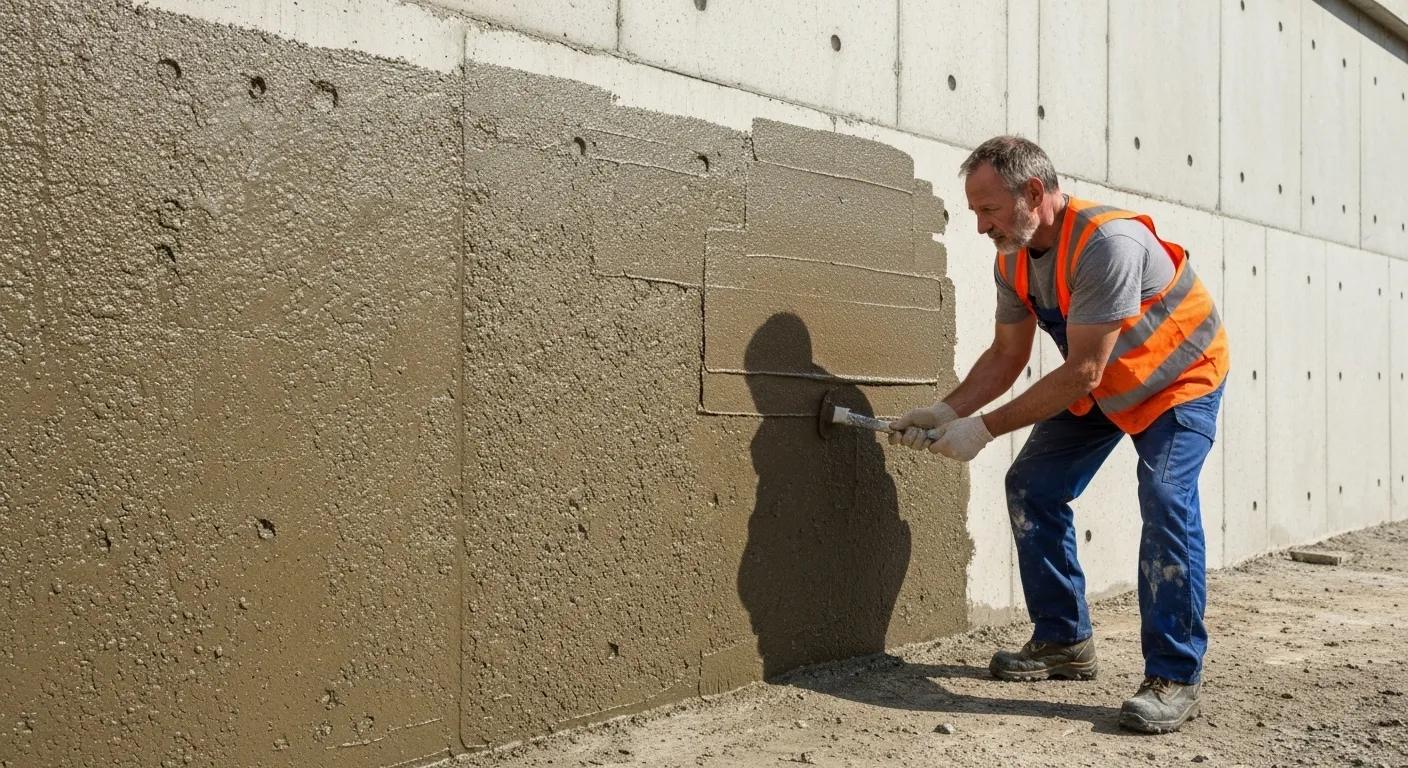
Foundation waterproofing and repair services are designed to protect concrete structures from moisture and restore their integrity when damage occurs. We use methods specifically chosen to address the local soil conditions, freeze-thaw cycles, and potential pyrrhotite issues common in New Haven. Our expertise in Foundation Waterproofing CT ensures your home is protected.
How Foundation Waterproofing Keeps Moisture Out
Exterior membrane barriers, interior drainage systems, and sump pumps work together to divert water away from the foundation, preventing hydrostatic pressure buildup. Properly installed waterproofing coatings also seal tiny cracks, stopping moisture vapor from penetrating the concrete. For complete protection, our Foundation Waterproofing CT services combine membrane installation, drainage board application, and sealant treatments customized to local building standards.
Common Ways to Repair Concrete Foundations
Popular repair techniques include injecting epoxy or polyurethane into cracks to seal them, leveling slabs with polyurethane foam, and installing underpinning to stabilize footings that have settled. Reinforcing the structure with steel and resurfacing the concrete can also restore its load-bearing capacity.
Homeowners can explore “concrete foundation repair” strategies that blend structural strengthening with moisture control for long-lasting results.
Why Choose Local Experts for Foundation Services in New Haven
Local specialists understand New Haven’s specific soil types, how frost heave affects the area, and the history of pyrrhotite in local building materials. Our team offers quick response times, warranties valid in this region, and personalized evaluations, making us the trusted “New Haven CT foundation experts.” We specialize in Foundation Waterproofing CT.
Typical Costs for Concrete Foundation Repair and Waterproofing in Connecticut
Here’s a general idea of the cost range for common foundation solutions in Connecticut:
These estimates can help homeowners budget effectively and consider their options. For comprehensive Foundation Waterproofing CT, our experienced team provides detailed quotes.
Concrete Slab Foundations Compared to Crawl Space Foundations
Slab foundations are built directly on the ground, while crawl spaces create a gap between the ground and the home’s floor, allowing for access underneath. This key difference affects costs, the risk of moisture issues, and how easy it is to maintain utilities, all of which are important when choosing a foundation type for a new home.
Cost and Installation Differences Between Slab and Crawl Space
Moisture and Pest Risks Differ Between These Foundation Types
Slab foundations are less prone to pests but can trap moisture if drainage isn’t adequate. Crawl spaces offer ventilation but need proper encapsulation to keep out insects and prevent mold. Both types require specific waterproofing measures to ensure a dry and healthy environment.
Plumbing and Storage Implications of Each Foundation
Utilities in slab foundations are embedded in the concrete, making repairs more complex. Crawl spaces, on the other hand, provide easy access to plumbing and wiring from below. Crawl spaces also offer valuable storage space and room for mechanical equipment, unlike the sealed environment of a slab foundation.
Common Questions About Concrete Foundations in Connecticut
Homeowners often ask about the longevity, suitability for the region, and how to prevent moisture problems with concrete foundations in Connecticut. Answering these questions helps set realistic expectations and encourages proactive care.
Main Drawbacks of a Concrete Slab Foundation
Concrete slab foundations can crack due to freeze-thaw stress, make plumbing repairs difficult, absorb ground moisture if not properly protected, and lack under-floor storage space. These issues can be managed with careful design and occasional maintenance.
Concrete Slab Foundations as a Good Choice for Homes in Connecticut
Yes, concrete slabs can work well for homes in Connecticut when they include proper insulation, perimeter drainage, and moisture barriers. Considering measures to combat frost heave and conducting soil tests will help ensure long-term performance in the local climate.
How Moisture Problems Can Be Avoided in Concrete Foundations
Prevent moisture issues by installing vapor retarders under slabs, ensuring the ground slopes away from the foundation, and applying exterior waterproofing membranes. Regularly cleaning gutters and checking the perimeter drainage also helps keep water from pooling near the concrete.
Typical Lifespan of a Concrete Foundation
A well-built and properly maintained concrete foundation can last anywhere from 80 to 100 years. Regular crack sealing, upkeep of drainage systems, and structural inspections can extend its service life significantly, often beyond the typical time a homeowner lives in a house.
Concrete Foundations and Cracking in Freeze-Thaw Climates
Yes, the expansion and contraction caused by freeze-thaw cycles in New Haven can create stresses that open up small cracks. Using concrete mixes designed to resist freezing (air-entrained concrete) and applying protective sealants can help reduce this risk and maintain the slab’s integrity.
Concrete foundations remain a dependable and cost-effective option for many homeowners, as long as local soil, moisture, and maintenance factors are properly managed. If you notice signs of damage or need to implement preventive measures, our team of New Haven CT foundation experts is ready to assess and restore your foundation’s performance. Contact us today for a free inspection and ensure your home’s base is as solid as its future. We are experts in Foundation Waterproofing CT.