
What Makes Residential Foundation Waterproofing Unique
Keeping your home’s foundation dry involves smart strategies to block groundwater, ensuring your house stands strong and your living space stays comfortable, especially here in New Haven’s tricky climate. We’ll break down how home waterproofing differs from big commercial jobs, look at our local soil and water pressure issues, show you the best ways to keep water out, explain what’s in it for you as a homeowner, help you pick the right pro, point out the red flags that mean your foundation needs attention, and cover what you can expect to pay. Knowing these details will give you the power to protect your home and your family’s comfort.
The Big Difference Between Waterproofing Homes and Big Buildings
When it comes to waterproofing foundations, what we do for homes versus large commercial structures is quite different. It comes down to the goals, the size of the job, and the materials we use, all of which need specific installation and upkeep to keep things protected for the long haul.
For homes, we’re usually dealing with smaller areas like basements, concrete slabs, and crawl spaces. We use materials that are flexible and work well with typical house construction. Commercial waterproofing, on the other hand, tackles massive buildings. This means using heavy-duty membranes and robust drainage systems designed to handle immense weight and pressure. These different scales naturally lead to very different approaches and resource needs.
How Homes Are Built Differently When It Comes to Foundations
Homes are typically built with slab-on-grade foundations, basements made from poured concrete, or crawl spaces with block walls. Each of these designs needs its own special waterproofing approach to keep the house stable and dry.
A Quick Look at Foundation Types This table gives you a clear picture of common home foundation styles, what they’re made of, and where we focus our waterproofing efforts.
Each foundation type has its own weak spots where water can get in, and they all have different needs when it comes to the type of barrier, where we put the drainage, and how we design the system. This sets the stage for understanding the challenges faced by commercial projects.
Commercial Foundation Waterproofing Challenges
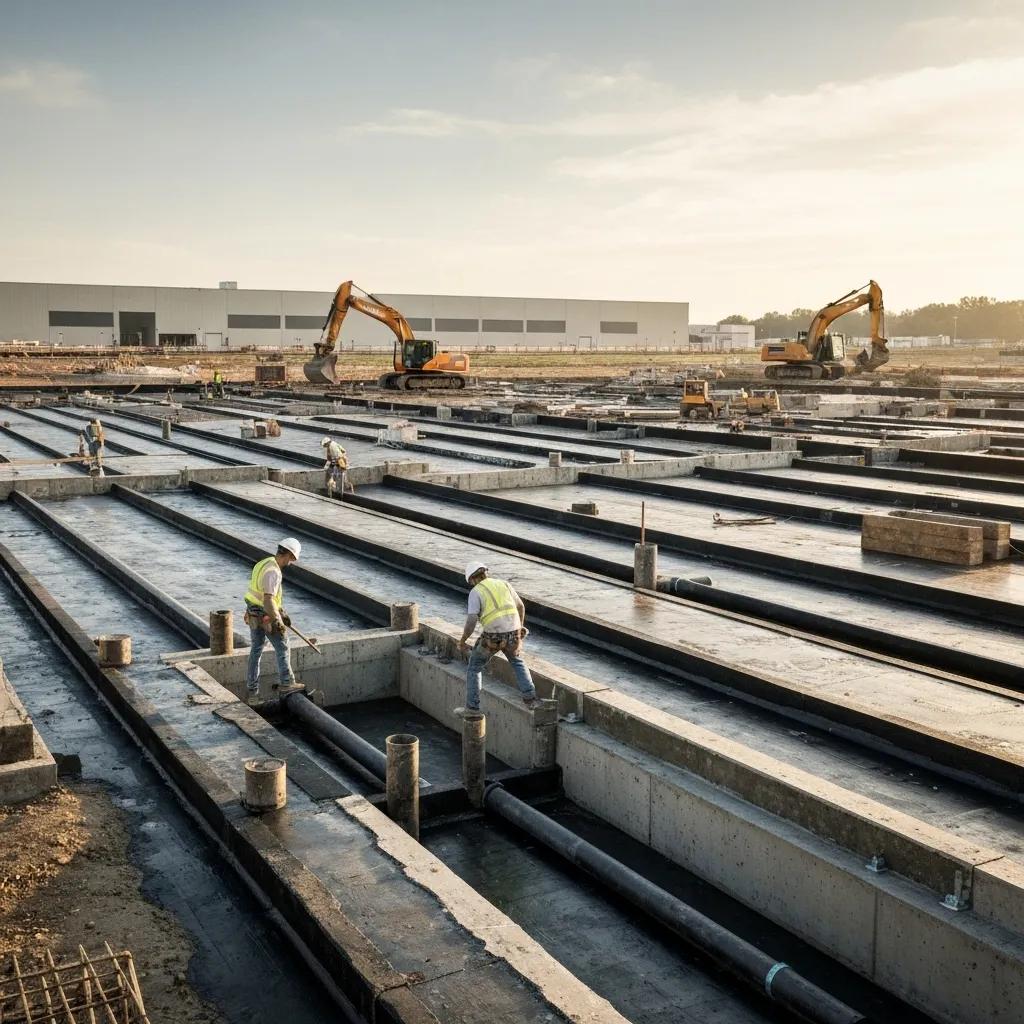
Commercial foundation waterproofing deals with vast floor areas, much higher water pressure, and the need to support heavy loads. This requires industrial-strength membranes and tough drainage systems built to last.
The sheer size of these projects means they’re exposed to more varied soil pressures and fluctuating water tables. Plus, the constant use of heavy machinery demands materials that can withstand significant stress and abrasion. Because of this, commercial jobs often use multi-layered systems that include things like bentonite panels, high-density membranes, and integrated sump pump setups – far more robust than what’s needed for a typical home. Understanding these complexities really highlights why home waterproofing uses more adaptable, homeowner-friendly methods.
Why Homes Need Their Own Special Waterproofing Techniques
Waterproofing homes requires special methods because we have to consider how people live in the house, what it looks like, and what fits the budget, all while making sure it’s protected from water effectively.
Homeowners want solutions that don’t tear up the yard too much, allow them to keep using their living spaces, and respect the home’s original design. Techniques like digging carefully around the foundation, using flexible liquid-applied membranes, installing interior drainage systems, and fitting compact sump pumps are all designed to meet these needs. By tailoring our methods to the smaller scale and what homeowners prefer, we ensure the work is done efficiently and lasts for a long time. This brings us to the specific soil and water challenges we face right here in New Haven.
Unique Challenges Affect Residential Foundation Waterproofing in New Haven, CT
When it comes to keeping foundations dry in New Haven, we have to deal with our local clay-heavy soils, lots of rain throughout the year, and older homes. All these factors can increase water pressure against foundations and the risk of water getting inside.
How New Haven’s Soil Conditions Impact Residential Foundations
The clay soil common in New Haven swells up when it’s wet and shrinks when it’s dry. This movement creates sideways pressure on foundation walls, which can lead to stress and cracks in basements and crawl spaces. Because clay doesn’t let water pass through easily, it traps groundwater against foundation walls. This builds up hydrostatic pressure, forcing water into tiny cracks. To combat this, effective waterproofing needs strong drainage systems and flexible membranes to relieve the pressure and keep the foundation solid. Understanding how the soil behaves helps us look at how water pressure affects basements.
The Role of Hydrostatic Pressure in Basement Water Intrusion
Hydrostatic pressure is basically the force that groundwater pushes against your foundation walls. This pressure can force water through concrete and mortar joints that aren’t perfectly sealed, leading to leaks and even flooded basements.
Research shows that hydrostatic pressure, the force groundwater exerts on foundation walls, is a major reason water gets into basements. This pressure can push water through porous concrete and masonry, causing leaks and potentially damaging the structure. Having good drainage systems and waterproof barriers is key to reducing this pressure. To fight hydrostatic pressure, we use things like exterior french drain systems, interior perimeter drainage channels, and sump pump systems to move water away from the foundation walls and footings. Properly relieving and diverting this water protects the living areas and the foundation itself. This naturally leads us to think about how waterproofing an existing home compares to a new build.
Existing Homes Versus New Construction in Waterproofing Needs
When we waterproof existing homes, we need to use methods that work around finished interiors, existing landscaping, and the current structure. This often means we can’t do a full excavation or a complete rebuild. Retrofitting typically involves interior drainage systems, targeted crack sealing, and carefully chosen exterior access points to stop leaks without major disruption. New construction, on the other hand, allows us to install waterproofing directly under the concrete slab and behind the backfill before the building is finished. Dealing with these retrofit challenges is crucial for homeowners in New Haven to maintain effective protection without having to move out.
The Most Effective Residential Foundation Waterproofing Methods
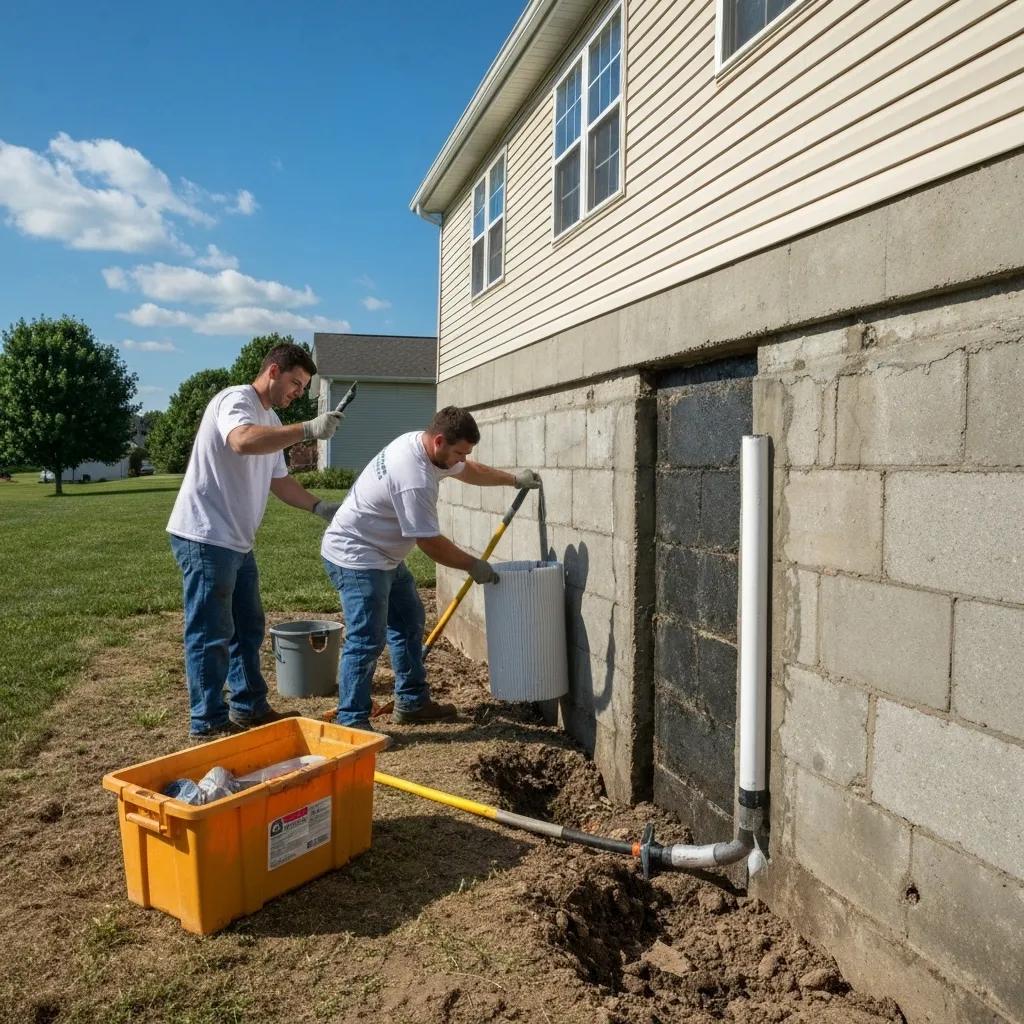
The best ways to waterproof a home’s foundation involve a combination of exterior membranes, interior drainage systems, and crawl space encapsulation to create a complete shield against water leaks and structural damage.
How Exterior Residential Waterproofing Protects Foundations
Exterior residential waterproofing protects foundation walls by digging out the soil, applying waterproof coatings or sheet membranes, and installing drainage layers that catch groundwater before it can reach the wall. Our team at Rite Foundation Waterproofing CT specializes in exterior foundation waterproofing to ensure your home is protected from the outside in.
Here’s a look at the key steps:
- We dig a trench around the foundation down to the footing.
- We apply a liquid-applied or sheet membrane directly onto clean, solid wall surfaces.
- We install a drainage board or gravel layer to guide water down to a main drain pipe.
- We connect this pipe to a sump pit or an outlet that drains away from the house.
This multi-layered approach stops hydrostatic pressure from building up and pushes water away from the foundation, keeping it dry and strong. This sets the stage for discussing interior solutions.
The Best Interior Waterproofing Solutions for Homes
Interior waterproofing solutions focus on catching and redirecting any water that manages to seep into the basement or crawl space through the walls or floor joints. This water is then safely removed, preventing damage. For comprehensive basement waterproofing, our approach often includes these interior measures.
We install interior drainage channels along the bottom of the foundation walls to collect any seepage. This collected water is then directed into a sump pit located in the basement. A submersible sump pump then pushes the water out and away from your home. We also seal cracks with polyurethane injections and apply vapor-retardant sealants to walls and floors as part of a complete system.
By combining these methods, homeowners get a reliable backup system that makes their basement or crawl space much more usable.
How Crawl Space Encapsulation Contributes to Moisture Control
Crawl space encapsulation involves covering the floor and walls with thick plastic vapor barriers, sealing up any vents, and often installing a dehumidifier. This keeps the humidity low and stops moisture from the ground from getting into your house. Ecapsulation prevents moisture from the s ensures your home’s structural integrity is maintained. lps reduce radon gas from entering the home and can improve energy efficiency by reducing heat loss. When we integrate a conditioned crawl space with your home’s heating and cooling system, it helps keep moisture levels steady, leading to better indoor air quality and a more solid home structure.
Benefits of Specialized Residential Foundation Waterproofing for Homeowners
Getting specialized waterproofing for your home’s foundation protects its value, promotes a healthier living environment, and makes your basement or crawl space usable by tackling moisture right at the source with custom solutions.
How Waterproofing Protects Home Value and Structural Integrity
Waterproofing protects the foundation by preventing damage caused by water, counteracting the effects of soil expansion, and reducing the chances of needing expensive structural repairs. This helps maintain, and even increase, your property’s value. Our commitment to basement foundation repair ensures your home’s structural integrity is maintained. By keeping the walls dry and the footings stable, homeowners avoid problems like cracks spreading, the house settling, or walls bowing inward – all things that can lower a home’s resale value. Regularly maintaining a dry foundation can also lead to lower insurance costs and make your home more attractive to potential buyers, ultimately protecting your investment.
How Waterproofing Prevents Mold, Mildew, and Health Issues
Effective waterproofing gets rid of the damp conditions where mold and mildew love to grow. This improves the air quality inside your home and reduces the irritants that can cause breathing problems for your family. Sealed barriers, proper drainage, and humidity control stop mold spores from spreading. This, in turn, reduces allergy triggers and prevents the decay of building materials. Homeowners benefit from a healthier living space and lower costs for mold cleanup, showing just how important managing moisture is for your family’s well-being.
How Waterproofing Creates Usable Basement and Crawl Space Areas
Comprehensive waterproofing turns basements and crawl spaces into dry, dependable areas that can be used for storage, converted into living spaces, or used for housing mechanical equipment. This effectively increases the usable square footage of your home. Once the moisture is gone, homeowners can finish their basements to create extra living areas for family activities or home offices. They can also use encapsulated crawl spaces for climate-controlled storage. This added usable space provides more flexibility for your lifestyle and can even offer a good return on investment if you decide to renovate.
Choosing the Right Residential Foundation Waterproofing Partner in New Haven
Choosing a contractor with local experience means the waterproofing solutions will be designed to handle New Haven’s specific soil, weather, and building codes, ensuring they work effectively and reliably. We pride ourselves on our local expertise at Rite Foundation Waterproofing CT.
Why Local Expertise Is Critical for Effective Waterproofing
Local experts have a deep understanding of New Haven’s unique clay soils, how the water table changes throughout the year, and the local building regulations. This knowledge allows them to create custom waterproofing designs that can withstand the specific conditions in our area.
Contractors who are familiar with the local permit process and the typical soil types can anticipate potential problems, make the installation process smoother, and ensure everything meets code. This local insight improves project efficiency and long-term reliability, which helps homeowners when they start looking at contractor credentials.
What to Look for in a Waterproofing Contractor
Homeowners should always check that a contractor is licensed, insured, certified by manufacturers, and offers solid warranties. This confirms they are qualified and committed to doing high-quality work.
- A valid Connecticut contractor license and liability insurance.
- Warranties from the manufacturers of the membranes and pumps used.
- Free site inspections with detailed, no-obligation proposals.
- Positive reviews from past customers and a proven track record of completed projects.
Looking at these factors helps homeowners compare different companies fairly and find the best fit for their needs.
How Rite Foundation Waterproofing CT Addresses Unique Local Needs
At Rite Foundation Waterproofing CT, we combine advanced plastic membranes, precisely installed french drain systems, and fully licensed professionals to directly tackle New Haven’s soil expansion and hydrostatic pressure challenges. Our team specializes in foundation waterproofing CT, ensuring every project is handled with the utmost care and expertise. We are experts in foundation waterproofing CT, providing reliable solutions for homeowners. Our approach to exterior waterproofing is designed to be a long-term solution. Our commitment to homeowner satisfaction is reflected in our free estimates, flexible payment options, and comprehensive warranties. By using the latest materials and our local expertise, our experienced foundation waterproofing CT professionals deliver lasting solutions that protect foundations and living spaces for many years.
Typical Signs That a Residential Foundation Needs Waterproofing
Visible signs like stains on walls, dampness, and musty odors indicate that your foundation has moisture problems that need to be addressed with waterproofing right away to prevent structural damage and health issues.
How Homeowners Can Detect Basement Leaks and Water Intrusion
Basement leaks often show up as dampness along the edges of the floor, water pooling near the walls, and a white, powdery residue called efflorescence. This residue is a sign that moisture is moving through the concrete. Our waterproofing concrete expertise helps us identify and address these issues. Homeowners should look out for discoloration, paint that’s peeling, or concrete that’s flaking. These are clear signs that water is actively getting in. Catching these issues early allows us to apply targeted waterproofing solutions before the damage gets worse.
Warning Signs of Foundation Cracks and Structural Damage
Foundation cracks can appear as horizontal lines, vertical lines, or even stair-step patterns in block walls. If you notice widening gaps or floors that aren’t level, it could mean the foundation is shifting, which requires both repair and waterproofing. Even small, hairline cracks can allow water to seep in, while larger cracks can compromise the overall stability of the foundation. A proper inspection by a specialist can identify critical cracks that need to be sealed and drainage that needs to be improved.
How Mold or Musty Smells Indicate Foundation Moisture Issues
A musty smell in your basement or crawl space is usually a sign of mold and mildew growing because of high humidity levels caused by unaddressed moisture problems. Seeing mold growth on walls, insulation, or stored items confirms that there’s too much water present. Dealing with this not only prevents health problems but also restores the foundation’s integrity through thorough waterproofing.
Cost Factors and Planning Considerations for Residential Foundation Waterproofing in CT
Understanding what affects the cost and how to plan for waterproofing helps homeowners set a realistic budget and choose methods that match their foundation type, the complexity of the job, and what they expect in terms of performance.
What Influences the Cost of Residential Waterproofing Services
The price of the project depends on things like the type of foundation, the total square footage, how deep we need to excavate outside, what kind of interior drainage is needed, and the specific materials we choose. Our comprehensive waterproofing systems are tailored to your specific needs.
- Foundation Size: Larger foundations require more materials and more digging.
- Method Used: Exterior membrane systems usually involve more labor than installing interior drainage channels.
- Soil Conditions: Clay soils might require deeper excavation and more robust drainage solutions.
- Accessibility: If the basement is already finished, there will be extra costs involved in installing interior systems without disrupting the living space.
These factors help us provide accurate estimates and plan the next steps.
How Homeowners Can Plan Waterproofing for Existing Foundations
When planning waterproofing for an existing home, it’s best to schedule interior work during less busy times of the year, coordinate with any contractors working on finishes, and make sure there’s easy access for installing sump pumps and digging drainage trenches. Proper staging of the work minimizes disruption to your living areas and ensures that components like pumps and barriers are installed smoothly. Early coordination with licensed contractors helps speed up the permit process and keeps the project on schedule.
Financing and Payment Options Available Locally
Flexible financing options, in-house payment plans, and short-term interest-free programs are available to help homeowners manage the costs of waterproofing without compromising on the quality of the solution.
Many companies offer financing with no interest, payment schedules that can be tailored to your needs, and even seasonal discounts to help make the cost more manageable. Getting a free estimate early on can help lock in pricing and clarify the payment options available to you.
Ready to Protect Your Home?
A dry foundation is essential for a healthy home. Let Rite Foundation Waterproofing CT provide a custom solution for your needs.
A dry foundation, thanks to professional waterproofing, keeps your home structurally sound, boosts its value, and creates a healthier living environment. By comparing what’s needed for homes versus commercial buildings, addressing the soil and water pressures specific to New Haven, exploring the best methods, and knowing the warning signs, homeowners can take full control of their foundation’s health. Choosing the right contractor, backed by local knowledge, proper licensing, and excellent warranties, ensures effective protection that lasts. We invite you to team up with Rite Foundation Waterproofing CT for a free estimate and a custom solution that will safeguard your home investment for years to come.