
The Key Differences in Waterproofing for Foundations
At Rite Foundation Waterproofing CT, we know that a solid, dry foundation is key to protecting your property from costly damage. Whether it’s your home or commercial building, addressing foundation problems early with the right waterproofing solutions can prevent structural issues and mold growth.
As a trusted foundation repair company, we tailor our approach to meet the unique needs of residential and commercial foundations, taking into account factors such as scale, materials, drainage, and durability. Our expertise in foundation waterproofing CT helps property owners in New Haven and beyond make smart choices to keep their foundations safe and secure.
Key Takeaways
- Residential and commercial foundation waterproofing differ in scale, design, and regulatory requirements.
- Material selection depends on environmental challenges and load demands.
- Application methods and professional expertise are crucial for long-term waterproofing success.
- Cost factors include materials, labor, maintenance, and warranty considerations.
- Effective drainage systems and durability measures are essential to protect both sectors.
Comparing Scale and Complexity in Residential vs Commercial Foundation Waterproofing
At Rite Foundation Waterproofing CT, we understand that residential foundation repair often involves smaller, simpler foundations typical of single-family homes. These usually have fewer regulations and less demanding structural requirements. On the other hand, commercial foundation repair calls for addressing larger, more complex foundations designed to handle greater loads and withstand tougher environmental conditions. Whether it’s foundation waterproofing CT for your home or commercial property, we tailor our solutions to meet each structure’s unique challenges. Our experience ensures that both residential and commercial foundations remain strong, secure, and protected from moisture damage.
Evaluating Foundation Size and Design Impact on Waterproofing Choices
Residential foundations, often standard slab or crawl space designs, can use basic sealants and membranes. Commercial foundations, such as multi-story offices or industrial facilities, require customized systems with additional reinforcements like pilings or specialized concrete mixes to ensure full coverage without compromising structural integrity.
Understanding Load-Bearing Variances Between Home and Business Structures
Commercial properties support heavier equipment and more foot traffic, demanding robust waterproofing materials such as high-performance coatings and extra reinforcement layers. Our team evaluates every situation to match the rigorous standards required in high-load environments.
Navigating Different Regulatory Codes for Foundation Waterproofing
Residential projects in suburban New Haven follow straightforward local codes. Commercial projects, however, face complex zoning and building codes addressing large-scale occupancy, fire safety, and environmental impact. We ensure every project complies with local laws while providing optimal protection.
Addressing Site Accessibility Challenges in Urban Commercial Projects
Commercial sites in urban areas may have limited access and tight delivery schedules, requiring customized planning. Our advanced planning and innovative techniques help overcome these challenges and ensure efficient installation.
Contrasting Project Timelines for Sealing Foundations in Homes and Commercial Buildings
Residential waterproofing projects usually finish within days due to their smaller scale. Commercial projects often require multi-phase processes with longer timelines owing to larger scopes and regulatory approvals. We streamline scheduling to minimize disruptions while maintaining waterproofing integrity.
Material Selection Distinctives for Residential and Commercial Foundation Waterproofing
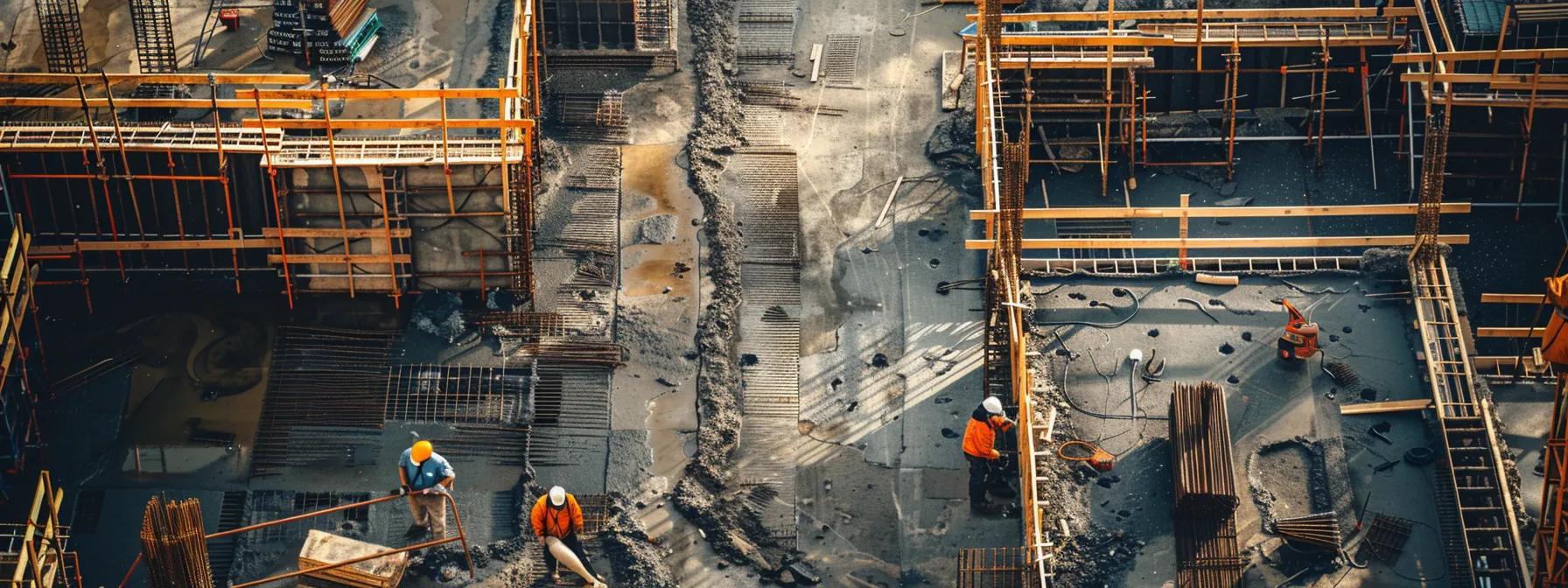
Selecting appropriate materials is critical for waterproofing. Both residential and commercial applications have unique challenges that influence material choice.
Choosing Appropriate Waterproofing Membranes for Diverse Foundation Types
For residential foundations, cost-effective options like bituminous membranes and liquid-applied elastomeric coatings provide effective moisture protection. Commercial projects demand higher durability with synthetic rubber membranes or high-density polyethylene that withstand heavy loads and adverse chemicals. We base our recommendations on expected mechanical stress and environmental factors.
Examining Sealant and Coating Options Suited for Home Foundations
High-quality polyurethane and silicone sealants effectively fill gaps and protect against moisture in residential crawl spaces and basements. These coatings are popular due to their ease of application and cost efficiency, providing an extra barrier against water seepage.
Selecting High-Durability Materials for Commercial Foundation Demands
Commercial foundations require materials that can endure industrial chemicals, heavy traffic, and harsh conditions. Epoxy-based systems and advanced polymer blends provide exceptional strength and longevity, with reinforcement layers for improved impact resistance.
Considering Environmental Factors in Material Choices for Foundation Protection
Soil composition, moisture levels, and local climate greatly affect material performance. Residential projects might combine liquid-applied membranes with heavy-duty sealants, while commercial projects benefit from hybrid systems that absorb movement and thermal expansion. Our experienced team selects materials based on local environmental conditions.
Comparing the Lifespan of Various Waterproofing Materials in Different Settings
Residential waterproofing typically lasts 10 to 15 years with proper maintenance, whereas commercial systems are engineered for 15 to 20 years or more. Regular inspections and routine repairs can extend system life, reducing long-term costs.
Application Method Variances in Foundation Waterproofing for Homes and Businesses
The methods used for applying waterproofing solutions vary between residential and commercial projects. Each process—whether interior or exterior—affects performance and longevity.
Detailing Exterior Waterproofing Techniques for Residential Foundations
Residential exterior waterproofing usually involves excavating around the foundation and applying sealants and membranes directly to the wall. Elastomeric coatings and liquid-applied membranes are common due to their flexibility and ability to repair easily. Our team ensures these applications proceed with minimal disruption to your landscape.
Outlining Interior Waterproofing Strategies in Home Basements and Crawl Spaces
Interior methods include installing drainage channels, sump pumps, and applying sealant coatings to walls and floors. These techniques help divert water before it can cause damage, adding a layer of protection to complement the exterior system.
Implementing Below-Grade Waterproofing for Commercial Structures
For commercial below-grade foundations, robust systems like thick self-adhering membranes, drainage mats, and waterproof concrete additives are necessary. Advanced injection techniques may also be used to seal cracks. Specialized equipment and trained technicians ensure full coverage across extensive areas.
Contrasting Positive-Side and Negative-Side Waterproofing Applications
Positive-side waterproofing is applied to the exterior side in constant contact with water, crucial for commercial foundations. Negative-side waterproofing, applied inside basements, is often sufficient for residential properties. We carefully evaluate each condition to choose the best approach.
The Role of Professional Expertise in Commercial Waterproofing Application
Commercial projects demand a high degree of expertise and advanced technology. Our skilled professionals adhere strictly to industry standards and local regulations, ensuring flawless material application and long-term performance.
Cost Factor Analysis for Residential vs Commercial Foundation Waterproofing
Cost considerations vary greatly between residential and commercial projects due to differences in scale and complexity.
Breaking Down Material Costs for Home Foundation Waterproofing Projects
Residential projects benefit from lower material costs because of the limited area. Standard membranes, sealants, and coatings are budget-friendly while still effectively protecting the foundation.
Assessing Labor Expenses in Sealing Commercial Foundations
Commercial waterproofing requires specialized labor and extensive preparation. Higher labor costs reflect the need for skilled crews, custom engineering, and sometimes after-hours work to minimize business disruptions.
Understanding How Project Scope Influences Overall Waterproofing Budgets
Residential projects usually involve fewer components such as basements or crawl spaces, while commercial projects may cover multiple buildings with larger floor areas. Our transparent cost estimates account for every aspect—from planning to long-term maintenance.
Comparing Long-Term Maintenance Costs for Residential and Commercial Systems
Simple residential systems often incur lower maintenance costs with occasional inspections and sealant applications. In contrast, commercial systems require regular professional inspections and proactive maintenance schedules, which we factor into our designs to reduce long-term expenses.
Evaluating Warranty Considerations for Different Foundation Waterproofing Solutions
Residential warranties typically span 5 to 10 years, while commercial projects may offer warranties of 15 to 20 years. Obtaining extensive warranties requires stringent installation and regular maintenance, which we rigorously follow to protect your investment.
Drainage System Requirements for Effective Foundation Waterproofing
An effective drainage system is essential to complement any waterproofing solution by managing water flow and reducing hydrostatic pressure.
Designing Surface Drainage to Protect Residential Foundations
Proper grading, gutters, downspouts, and slopes help direct rainwater away from residential foundations, lowering the risk of water seepage and membrane degradation.
Installing French Drains and Weeping Tiles for Home Foundation Protection
French drain systems and weeping tiles collect and redirect water away from the foundation, reducing hydrostatic pressure. These systems are especially effective in areas with high water tables or poor soil drainage.
Implementing Comprehensive Drainage Solutions for Large Commercial Sites
Commercial properties require multi-layer drainage systems combining surface grading, french drains, and sump pump installations. Advanced monitoring systems may be integrated to dynamically adjust drainage and prevent water accumulation.
The Function of Sump Pumps in Residential and Commercial Waterproofing
Sump pumps actively remove accumulated water from basements or crawl spaces, preventing flooding and secondary damage. For both sectors, proper installation and backup systems ensure continuous operation, even during power outages.
Managing Hydrostatic Pressure Through Proper Drainage Design
Effective drainage channels and concrete barriers work together to relieve hydrostatic pressure on the foundation. This careful design protects the structure from excess water pressure and enhances long-term stability.
Durability and Performance Expectations in Foundation Waterproofing

Long-term durability and performance depend on quality materials, precise application, and regular maintenance.
Assessing the Impact of Foot Traffic and Usage on Waterproofing Integrity
In residential settings, routine foot traffic and household loads may cause wear on waterproofing systems, necessitating periodic inspections. In commercial buildings, heavy use accelerates degradation, making proactive maintenance essential.
Ensuring Long-Term Performance of Commercial Foundation Waterproofing Systems
Commercial systems are engineered for extended performance under stressful conditions. High-durability materials, accurate installation, and scheduled inspections ensure ongoing effectiveness despite environmental challenges.
Addressing Common Failure Points in Residential Foundation Waterproofing
Areas around penetrations, such as pipes and joints, are prone to failure. Regular inspections and prompt repairs, like reapplying sealants, help prevent mold and structural issues.
The Importance of Quality Control During Waterproofing Installation
Strict quality control measures, including pre- and post-installation inspections, are vital. At Rite Foundation Waterproofing CT, continuous monitoring and detailed documentation ensure that every project meets the highest standards.
How Soil Conditions and Climate Affect Waterproofing Durability in Both Sectors
Soil type and local climate—such as freeze-thaw cycles and seasonal rains—impact waterproofing performance. Our comprehensive assessments help us design systems that maintain integrity under varying conditions.
Entity Comparison Table: Waterproofing Materials and Cost Factors
The table above summarizes key differences in materials and costs between residential and commercial waterproofing, helping you choose the right system for your foundation.
Frequently Asked Questions
Q: What are the key differences between residential and commercial foundation waterproofing? A: Residential foundation waterproofing typically uses smaller, simpler systems with cost-effective materials and fewer regulatory hurdles. Commercial projects require robust, multi-layer systems that handle heavier loads, increased moisture exposure, and stricter safety standards.
Q: Which waterproofing materials are best for high-load commercial foundations? A: High-durability materials such as synthetic rubber membranes, high-density polyethylene, and epoxy-based coatings are ideal for commercial foundations because they resist heavy loads, chemicals, and prolonged environmental stress.
Q: How do drainage systems contribute to foundation waterproofing? A: Drainage systems like surface grading, french drains, and sump pump installations reduce hydrostatic pressure by directing water away from the foundation, thus enhancing waterproofing performance.
Q: What factors affect the longevity of a waterproofing system? A: Longevity is influenced by the quality of materials, installation precision, regular maintenance, environmental conditions, and overall design complexity. Custom solutions for each foundation type are essential.
Q: How often should waterproofing systems be inspected and maintained? A: Residential systems need annual inspections and occasional maintenance, while commercial systems, due to their complexity, should be inspected more frequently to detect early signs of wear.
Q: Can waterproofing systems for residential foundations be upgraded for better protection? A: Yes, residential systems can be enhanced with additional waterproofing layers, improved sealants, and advanced drainage solutions to boost performance under adverse conditions.
Q: What role does professional expertise play in the application of waterproofing systems? A: Professional expertise is crucial, especially for complex commercial projects. Skilled technicians ensure that materials are well-selected, properly applied, and meet industry standards to minimize installation errors and ensure long-term durability.
We understand that foundation issues can vary widely between residential and commercial properties, which is why choosing the right foundation repair solutions matters. From material selection and application methods to drainage and durability, each project requires a tailored approach to ensure lasting protection. At Rite Foundation Waterproofing CT, we’re dedicated to providing customized solutions that address your specific needs and keep your foundation strong and secure. Reach out to us for a personalized consultation—let’s work together to protect your property and extend the life of your foundation.